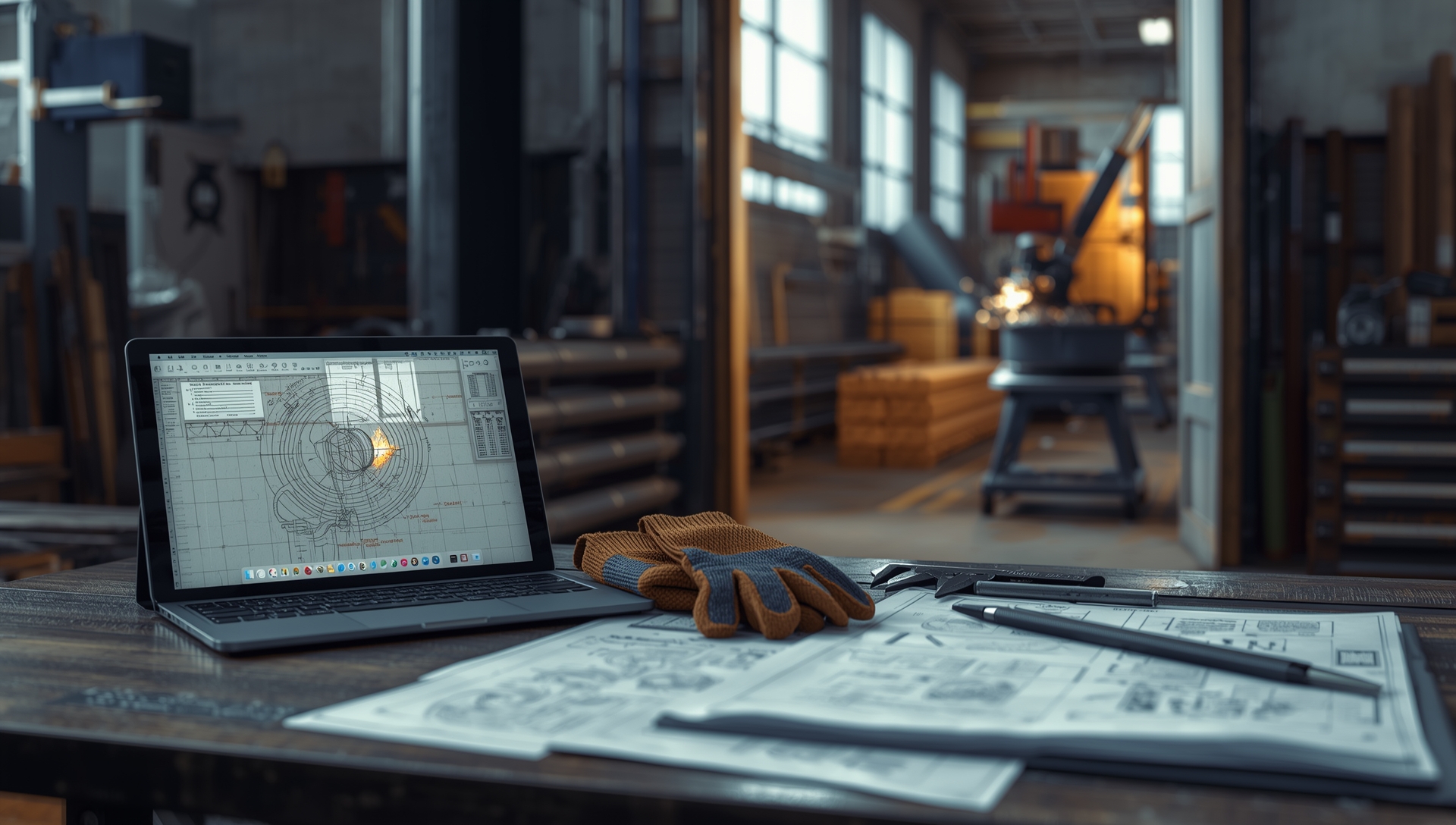
Fabrication shops across the country are facing the same difficult reality. You have the contracts, you have the raw materials, and you have the deadlines. The one thing you are missing is enough skilled hands to do the work. The seasoned welders who have been the backbone of the industry for decades are retiring in record numbers. Meanwhile, younger workers are not entering the trade fast enough to replace them.
This labor shortage is not a temporary dip. It is the new normal for industrial manufacturing.
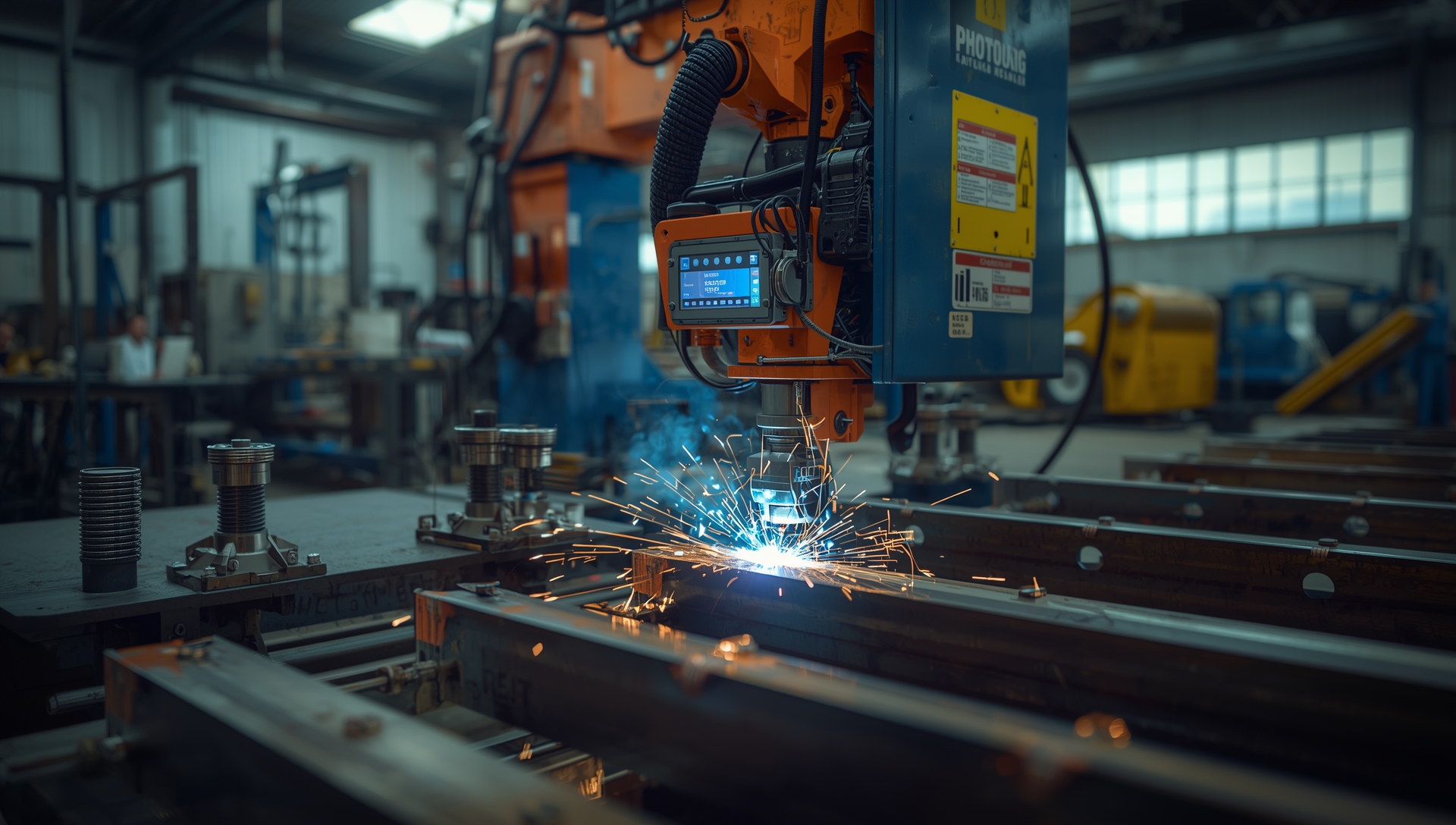
For shop owners and operations managers, the solution is no longer just about recruiting harder. It is about rethinking how the work gets done. This is where an automated welding machine becomes a strategic asset rather than just a piece of capital equipment. Automation is not about replacing your workforce. It is about empowering the team you have to produce more, safer, and with greater consistency.
The Skilled Labor Gap in Fabrication
To understand why automation is necessary, we have to look at the specific constraints on the shop floor. Welding is a skill that requires years of practice to master, especially when dealing with complex geometries or strict code requirements.
When a senior welder retires, you lose decades of tribal knowledge and muscle memory. Replacing that individual with a new hire often means accepting a temporary drop in productivity while that person gets up to speed. In a high-pressure production environment, that learning curve costs money.
The gap is widening because demand is not slowing down. Infrastructure projects, energy sector demands, and general manufacturing needs are increasing. Shops are being asked to do more with fewer experienced operators. This pressure leads to burnout among the remaining staff, which creates a cycle of turnover that is hard to break.
What Automated Welding Actually Solves
There is a misconception that automation is only for massive automotive assembly lines. That is no longer true. Modern automation allows high-mix, low-volume shops to compete without needing a small army of master welders.
Automated systems solve the problem of variability. A human welder, no matter how skilled, is subject to fatigue. Their tenth weld of the day might look slightly different than their first. An automated system executes the programmed parameters exactly the same way every time.
This technology allows you to decouple production volume from the availability of “unicorn” welders. You do not need twenty people who can all perform X-ray quality pipe welds manually. You need a few skilled leaders to set up the parameters and operators who can load the machine and monitor the process. This shift allows you to utilize your labor pool much more effectively.
How Automated Welding Improves Shop Productivity
Integrating automated welding equipment into your workflow impacts more than just the speed of a single pass. It changes the rhythm of the entire production floor.
Here are the practical gains shops see when they deploy these systems:
- Increased Arc-On Time: Manual welding involves a significant amount of downtime for repositioning, rest, and setup. Automation keeps the arc burning for a much higher percentage of the shift.
- Reduced Rework: Because the machine follows a precise path with controlled heat input, defects like lack of fusion or porosity are significantly reduced. This eliminates the costly hours spent grinding out and repairing bad welds.
- Faster Cycle Times: Automated systems can move between welds faster than a human operator and can often weld at higher travel speeds while maintaining quality.
- Improved Safety: By removing the operator from the immediate vicinity of the arc and fumes, you reduce the risk of injury and long-term health issues. This creates a better work environment and lowers insurance liabilities.
- Predictable Scheduling: Machines do not call in sick or get tired. This reliability allows production managers to quote lead times with much higher confidence.
Orbital and Pipe Welding as a Labor Multiplier
One of the areas where the labor shortage is felt most acutely is in pipe welding. This application requires a high degree of dexterity and focus. It is physically demanding work that often takes place in awkward positions.
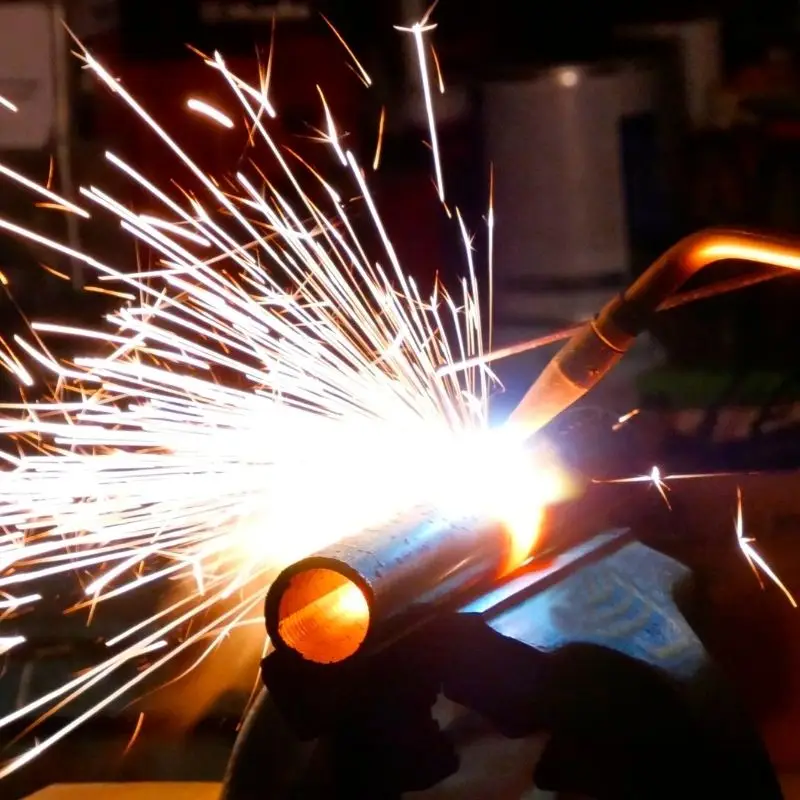
Orbital welding machines and other specialized pipe welding solutions act as a force multiplier in these environments. These machines can perform 360-degree welds on pipes and tubes with flawless consistency.
An automated pipe welding machine can handle the repetitive root, fill, and cap passes that would exhaust a human welder. For example, systems like SEC Automation’s AutonoWeld line are designed to take the physical strain out of the equation.
By using these machines, a less experienced operator can produce code-quality welds after a relatively short training period. The machine handles the oscillation, voltage control, and travel speed. The operator focuses on setup and oversight. This opens up your hiring pool significantly. You can hire for mechanical aptitude and attention to detail rather than needing candidates who already possess elite manual welding skills.
Automation That Fits Real Fabrication Environments
Not all automation is created equal. Many systems look good in a catalog but fail when introduced to the dust, heat, and variability of a real fabrication shop.
This is where working with experienced welding automation companies makes a difference. At SEC Automation, we understand that a machine needs to fit into your existing workflow. We design our AutonoWeld systems and custom solutions to be robust and intuitive.
We focus on practical implementation. Our systems are built to be mobile and adaptable. Whether you need a system for heavy-wall pipe in the field or a dedicated station for structural components in the shop, the equipment must be user-friendly. If the programming is too complex, the machine will sit in the corner gathering dust. Our goal is to ensure your team is running parts quickly, not struggling with software.
Why Automation Complements Skilled Welders
Implementing automation is often met with hesitation from current employees who worry about their jobs. It is vital to frame this technology correctly. Automation is not here to replace skilled welders. It is here to let them do what they do best.
Manual welding is an art form. There will always be complex, non-standard fit-ups and repairs that require the touch of a master craftsperson. By automating the repetitive, linear, or heavy-duty welding tasks, you free up your most skilled workers to handle those critical, high-value jobs.
This approach reduces physical wear and tear on your senior staff, potentially extending their careers. It also provides a clear career path for younger employees. They can start as machine operators and learn the fundamentals of welding theory through the automated process before advancing to manual techniques. This aids in retention and builds a more versatile workforce.
Conclusion
The skilled labor shortage is a challenge that requires a proactive response. Waiting for the labor market to correct itself is not a viable strategy for growth. Fabrication shops that adopt automation are insulating themselves from these workforce fluctuations.
Investing in an automated welding machine is an investment in stability. It provides the consistency required to meet strict quality codes and the speed necessary to maintain margins.
At SEC Automation, we bridge the gap between manual craftsmanship and robotic precision. Our solutions are born from decades of experience in the industry, designed to solve the real operational headaches you face every day.
Ready to Bridge the Gap?
To see how SEC Automation helps fabrication shops bridge labor gaps with practical automated welding solutions, visit https://secindustrial.com/ and explore the AutonoWeld product line or speak with an automation specialist.